Darold B. Cuba, MA, MPA, PhD (ABD) | Fairfield Foundation Family Circle Leadership Group
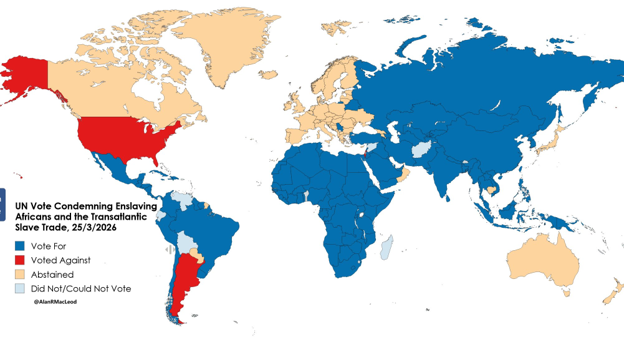
On March 25, 2026, the United Nations General Assembly took a historic step. It formally declared the European-American white supremacist transatlantic theft, sex-trafficking and racialized enslavement of Africans to be the gravest crime against humanity and called for forms of repair that include truth-telling, education, and restitution (United Nations, 2026). That recognition may feel distant—something happening in international chambers far removed from places like Gloucester County, Virginia. But in reality, the work being done here is deeply connected to that global moment.
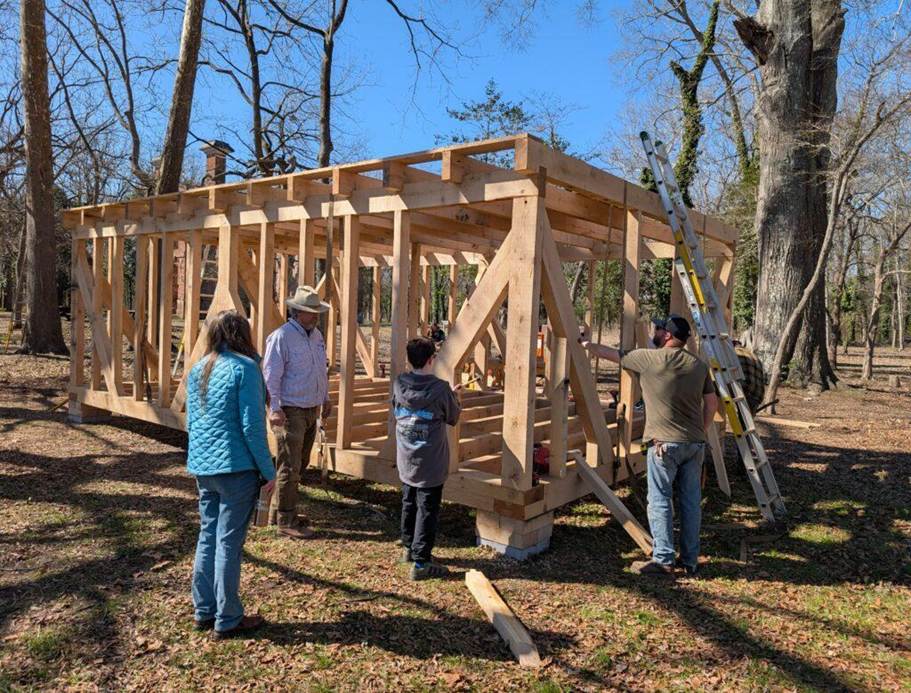
Construction of the Remembrance Structure at Rosewell, 2025.
At the Fairfield Foundation, archaeology and archival research are helping to recover lives that were once systematically erased by centuries of European-American slavery and racism. Sites connected to enslaved and free Black communities are being documented, interpreted, and shared—not as footnotes, but as central parts of the region’s history. This kind of work matters because, for generations, these stories were either overlooked or actively suppressed.
Scholars have long argued that the legacy of white supremacist slavery did not end in the 19th century. Instead, its effects continue to shape the present—in inequality, in land ownership, in access to opportunity (Robinson 1983; Sharpe 2016). The United Nations resolution reflects a growing global understanding of this reality: that the past is not past, and that meaningful acknowledgment is a necessary step toward justice.
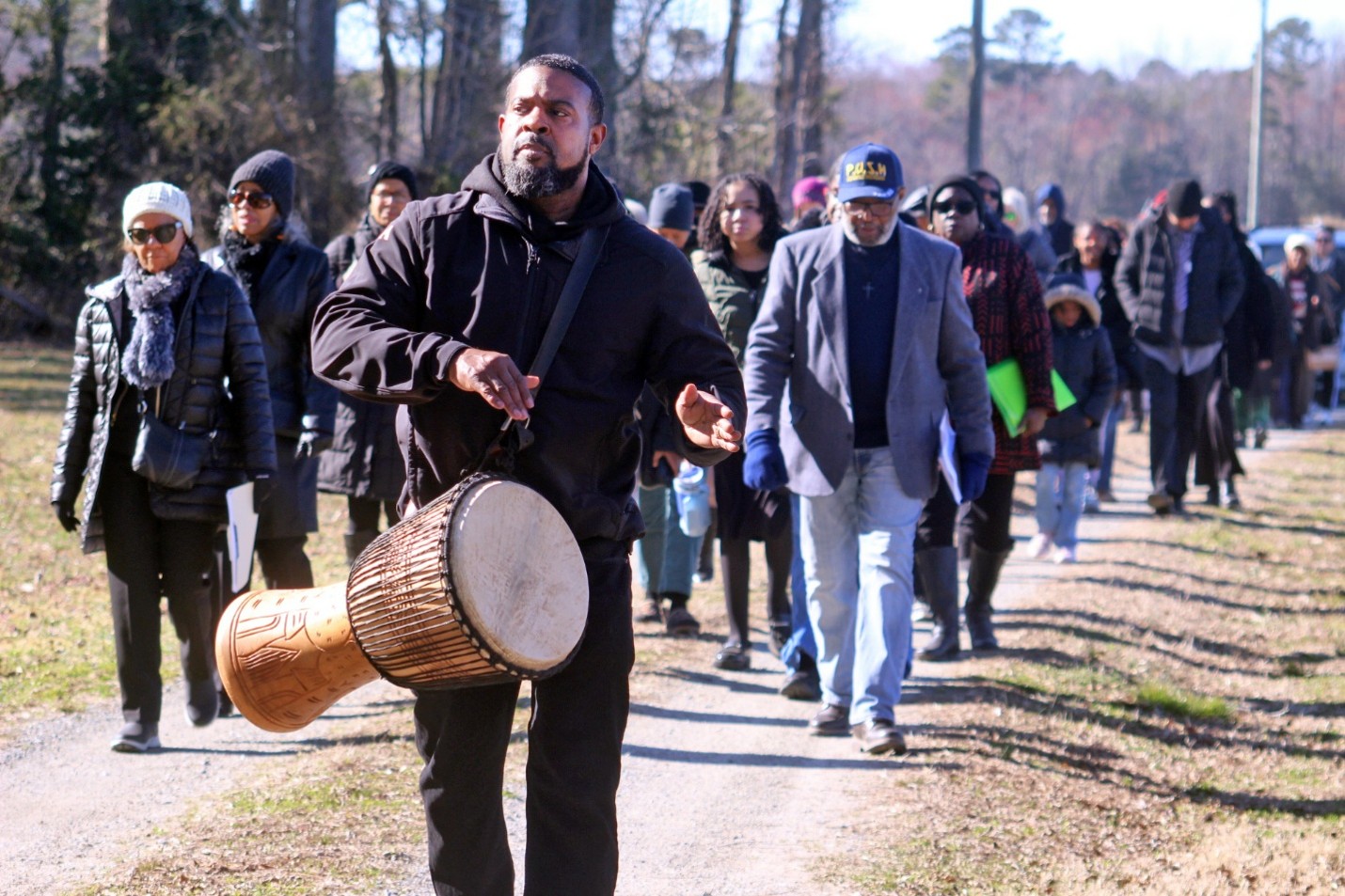
Blessing of the Ground, Rosewell 2025.
Fairfield’s work is part of that acknowledgment. By carefully studying Fairfield and Rosewell plantations, collaborating with descendant communities, and sharing findings with the public, the Foundation is helping to restore a fuller, more honest historical record. This is what historian Saidiya Hartman has described as the work of “critical fabulation”—piecing together histories that were never fully recorded but must still be told (Hartman 2007).
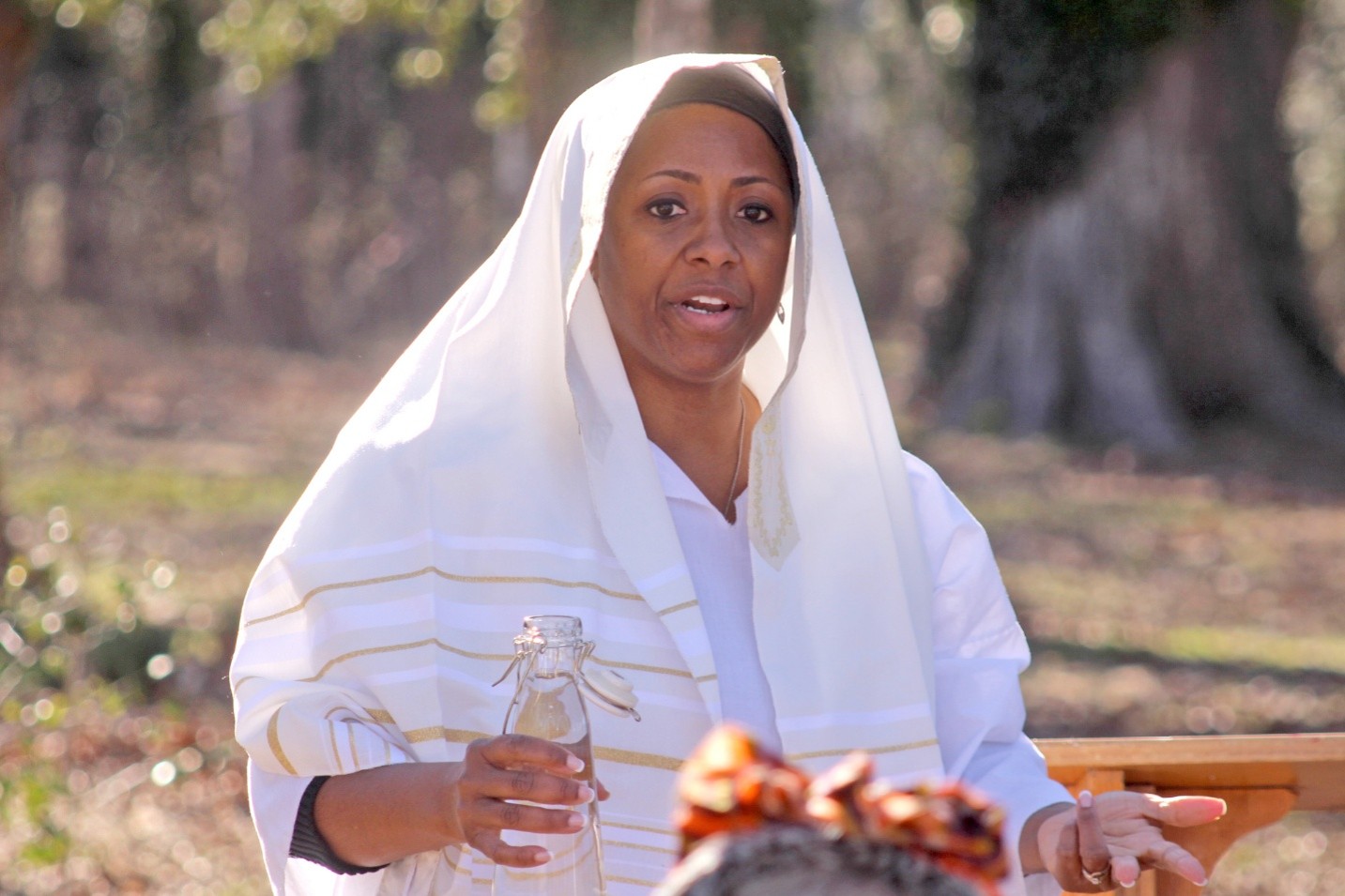
Blessing of the Ground, Rosewell 2025.
Importantly, this work also highlights the humanity and resilience of those who lived through this racialized enslavement. It brings forward stories of family, labor, resistance, and survival. Womanist scholars have emphasized how central Black women were to sustaining these communities, even under conditions of extreme violence, sexual coercion and constraint (Spillers 1987). These are the kinds of histories that emerge when we look closely at the land and listen carefully to what it holds.
The connection to global efforts is clear. The Durban Declaration (United Nations 2001) and the Rome Statute (International Criminal Court 2002) both recognized slavery as a crime against humanity. The UN’s 2026 resolution builds on that foundation by emphasizing not only recognition, but repair. And repair begins with truth.
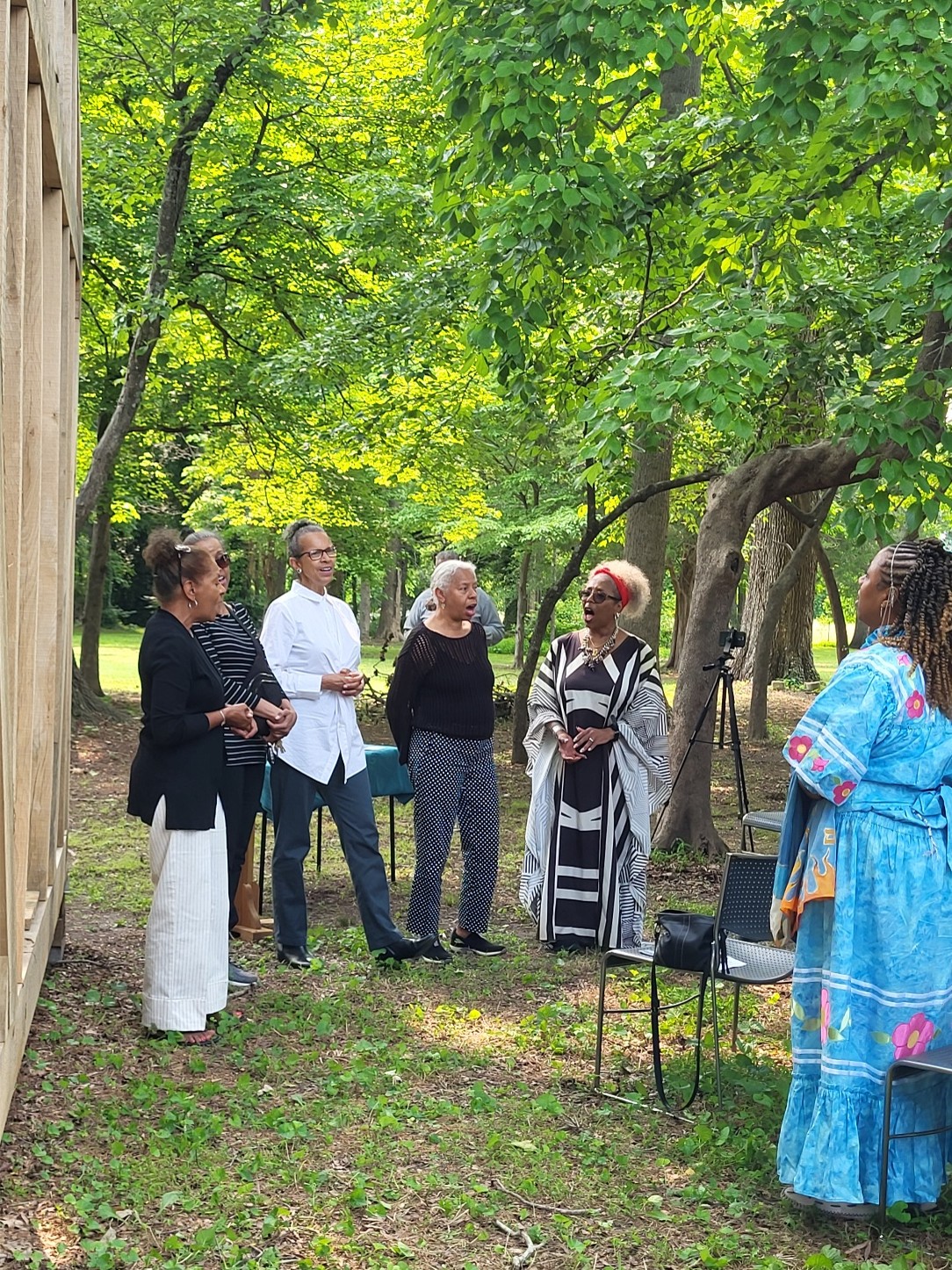
Remembrance Structure Dedication, Rosewell 2025.
That is what makes local work so powerful. Places like Gloucester County are not on the margins of this history—they are part of its core. The landscapes Fairfield studies were shaped by the same European-American systems now being named and addressed on a global stage.
By uncovering and sharing these histories, Fairfield is doing more than preserving the past. It is contributing to a broader movement—one that seeks to understand, acknowledge, and ultimately repair the deep and lasting impacts of white supremacist colonialism and the broader intersectional results of its racialized slavery.
REFERENCES
Hartman, S. (2007). Lose your mother: A journey along the Atlantic slave route. Farrar, Straus and Giroux.
International Criminal Court. (2002). Rome Statute of the International Criminal Court.
Robinson, C. J. (1983). Black Marxism: The making of the Black radical tradition. Zed Press.
Sharpe, C. (2016). In the wake: On Blackness and being. Duke University Press.
Spillers, H. (1987). Mama’s baby, papa’s maybe: An American grammar book. Diacritics, 17(2), 65–81.
United Nations. (2001). Durban Declaration and Programme of Action.
United Nations. (2026). Resolution A/80/L.48: Declaration of the trafficking of enslaved Africans and racialized chattel enslavement of Africans as the gravest crime against humanity.
Darold Cuba is an intellectual historian of political thought whose work examines the global construction of racial hierarchy, the legal architecture of racialized chattel slavery, and its enduring legacies, particularly marronage. His research connects local histories of land, memory, and community to global frameworks of justice and repair. A Gloucester native now living in Cambridge, UK, Cuba serves as a volunteer member of the Fairfield Foundation Family Circle leadership team. The Family Circle is an affiliate of Coming to the Table.

Thank you for this powerful essay. I’m so glad to see these scholars brought into the conversation about what Fairfield Foundation is doing, not only to tell the truth, but also to repair.