Lori Jackson Black, Project Manager, Fairfield Foundation
At Timberneck House, progress often comes quietly.
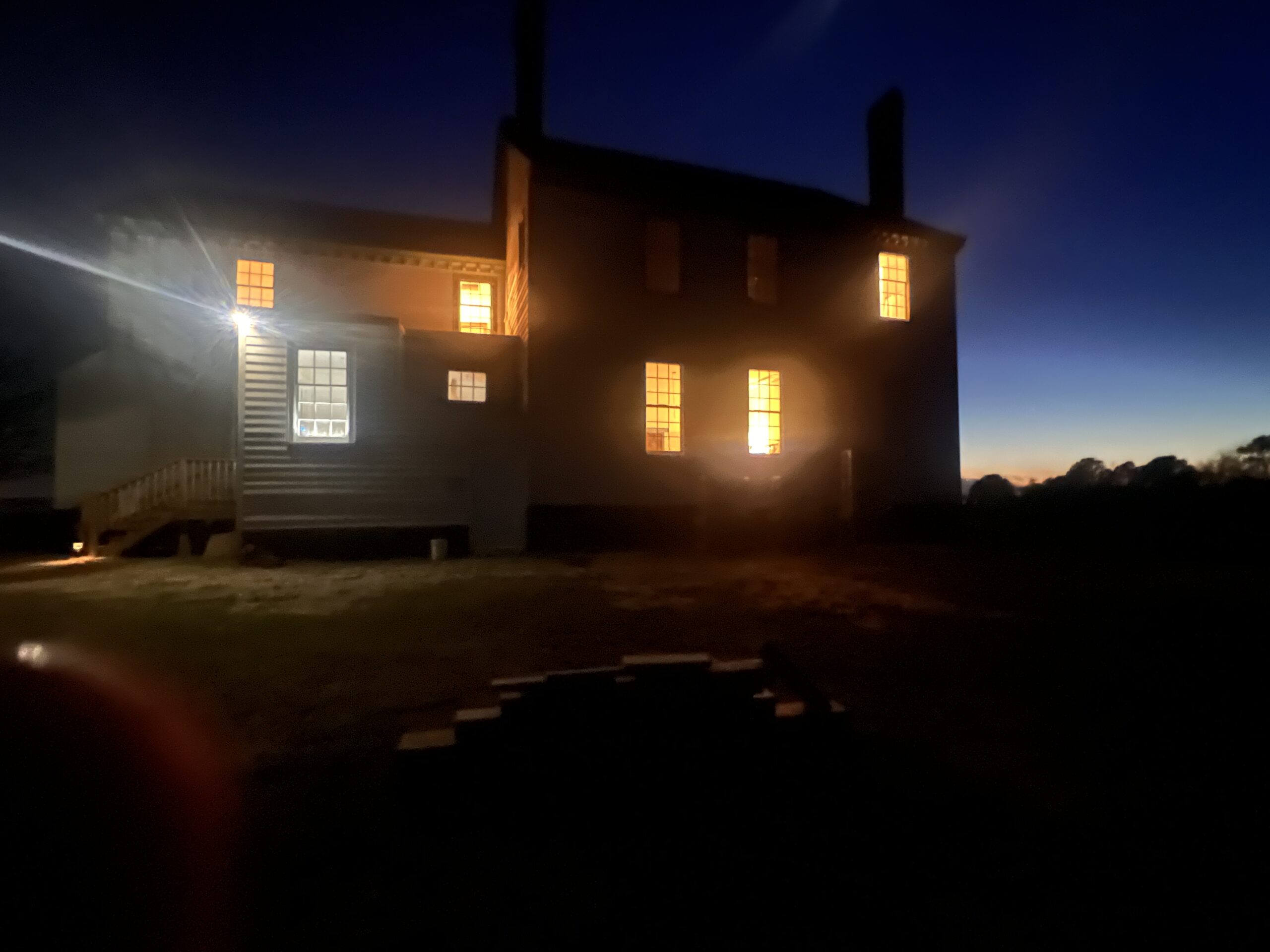
In mid-February, the team at K2 Electrical began hanging overhead lighting throughout the house. It may sound like a small milestone in the grand scope of restoration work, but when I stayed after dark to see the lights glowing for the first time, I was reminded just how transformative those details can be.
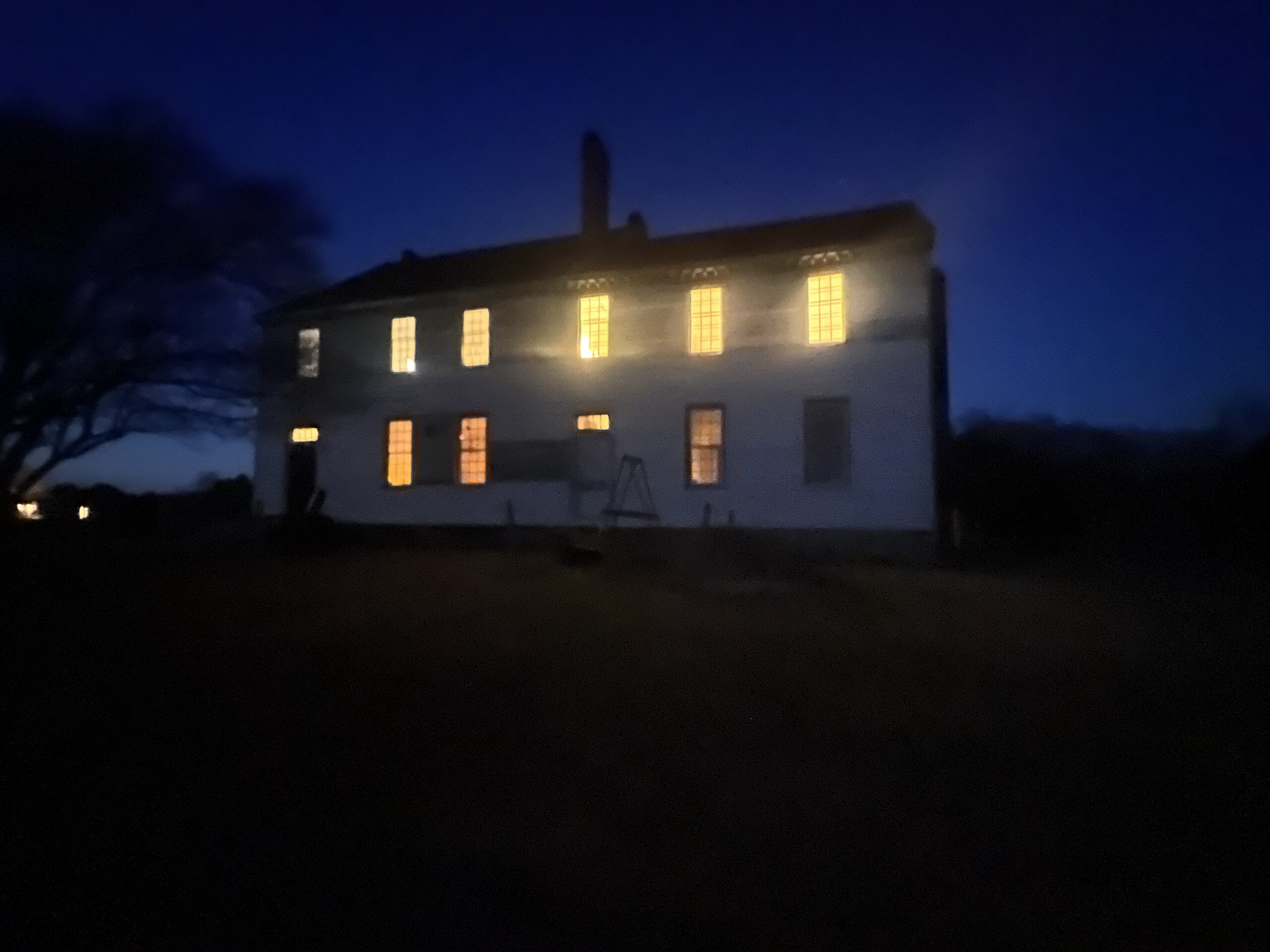
I have worked hands-on at Timberneck for over five years, first as a volunteer, now as the Timberneck project manager. I have watched plaster and drywall being patched, foundations repaired and floors lifted, systems rebuilt, and plans revised. Yet something as simple as lighting changes the entire character of the house.
Why?
Because light makes a house feel lived in.
When the sun sets over the York River and the windows begin to glow from within, Timberneck no longer feels like a project. It feels real. It feels alive again. The soft light in the hallway, the warmth spilling into a bedroom, these are the moments when restoration shifts from construction to stewardship.
The Work Behind the Glow
While the lighting has been the most visible change, it is just one piece of a much larger, carefully coordinated effort.
The crew from Hodges and Bryant has been hard at work installing bathroom fixtures. We now have four working toilets and two working showers, a practical but critical step in preparing the house for public use. Behind every finished room is a network of plumbing, inspections, and careful adherence to preservation standards.
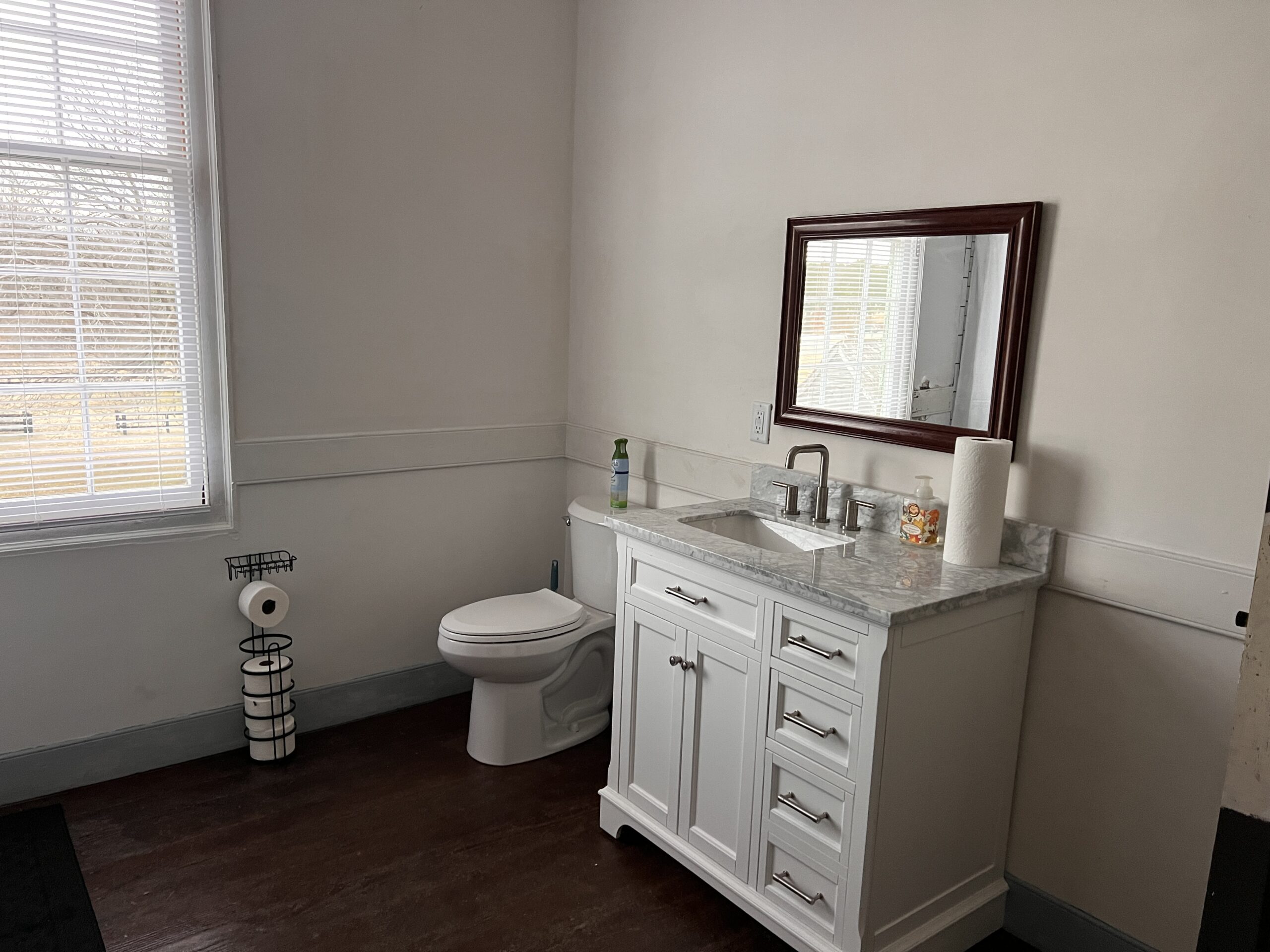
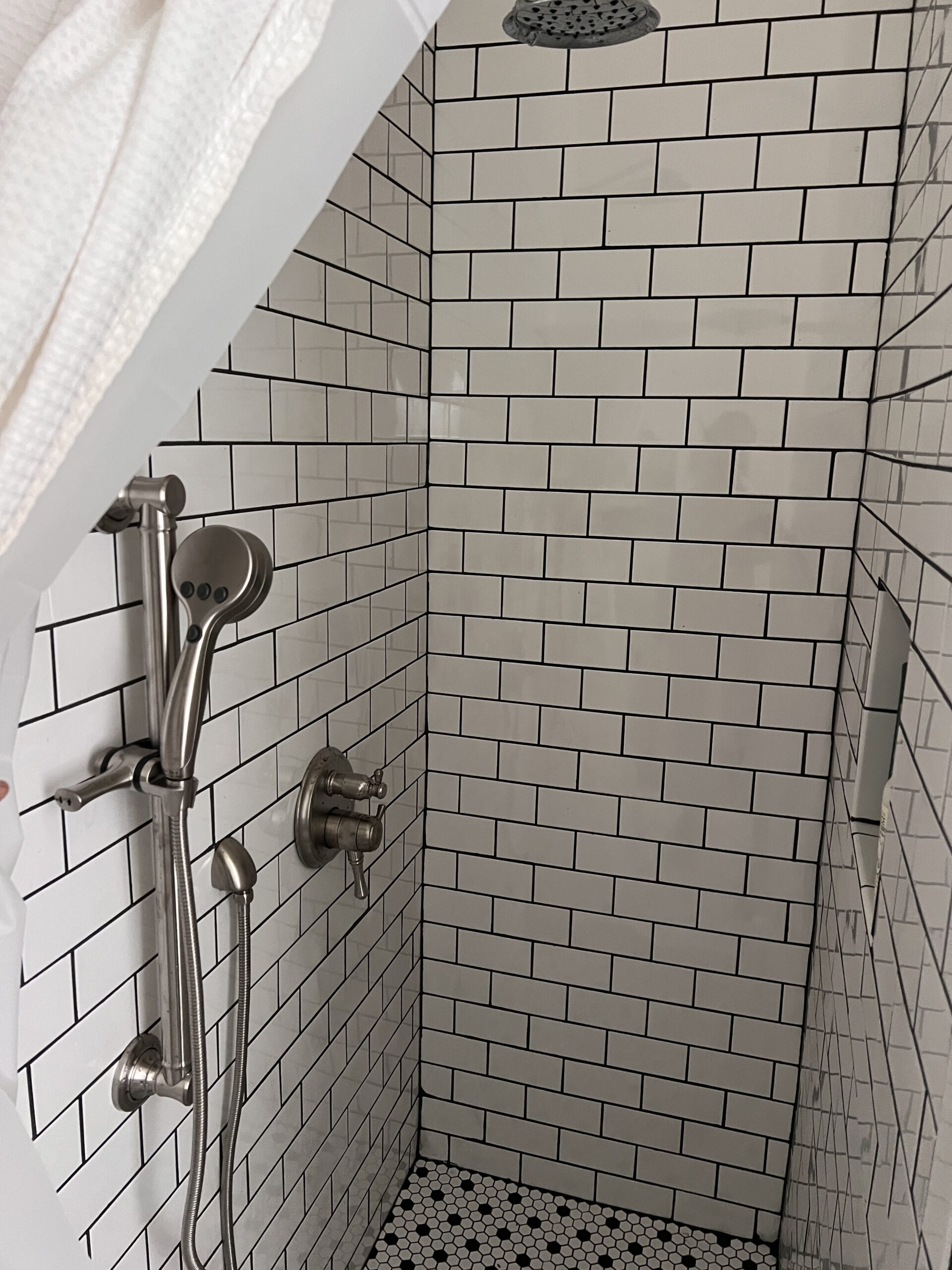
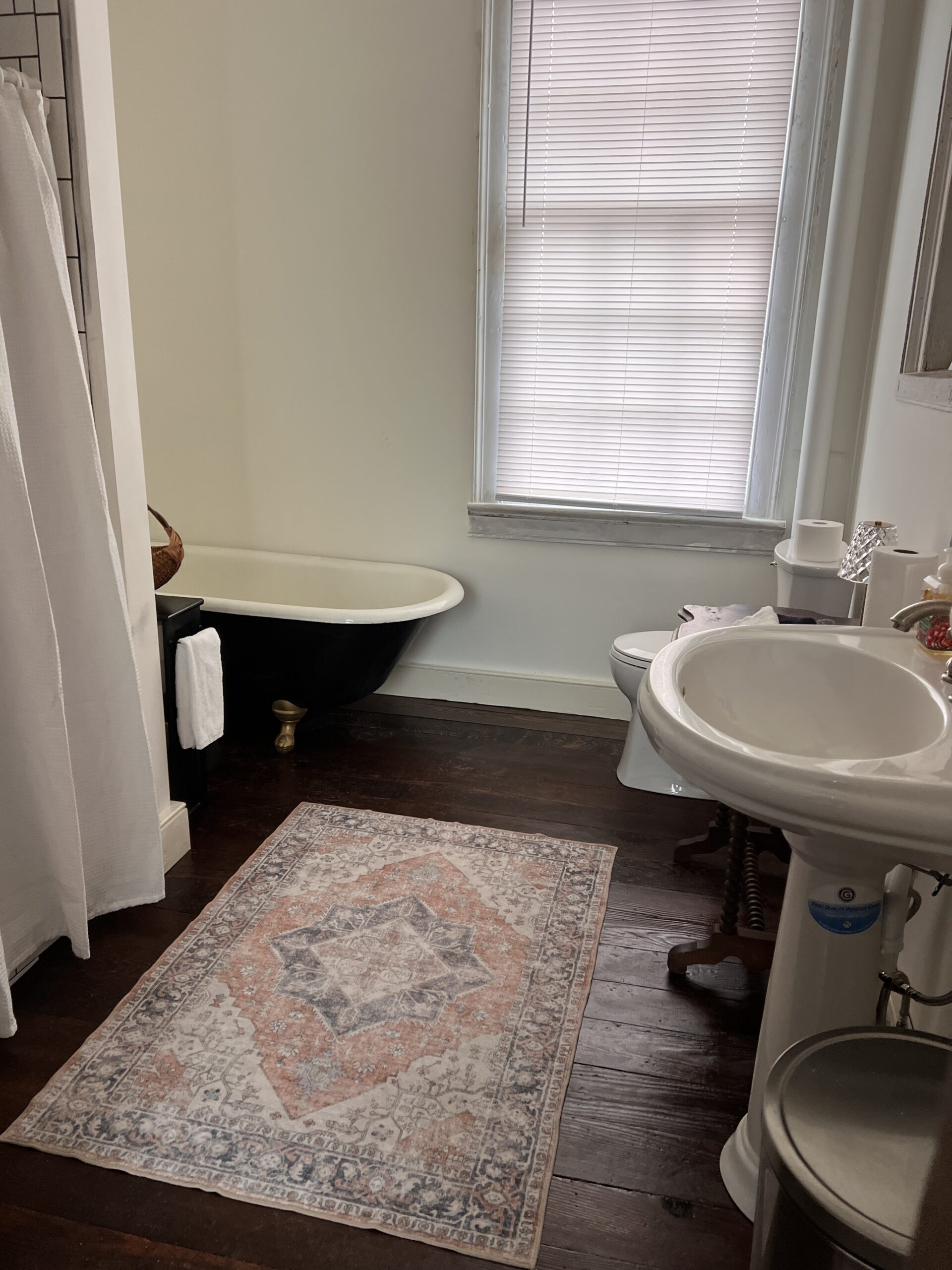
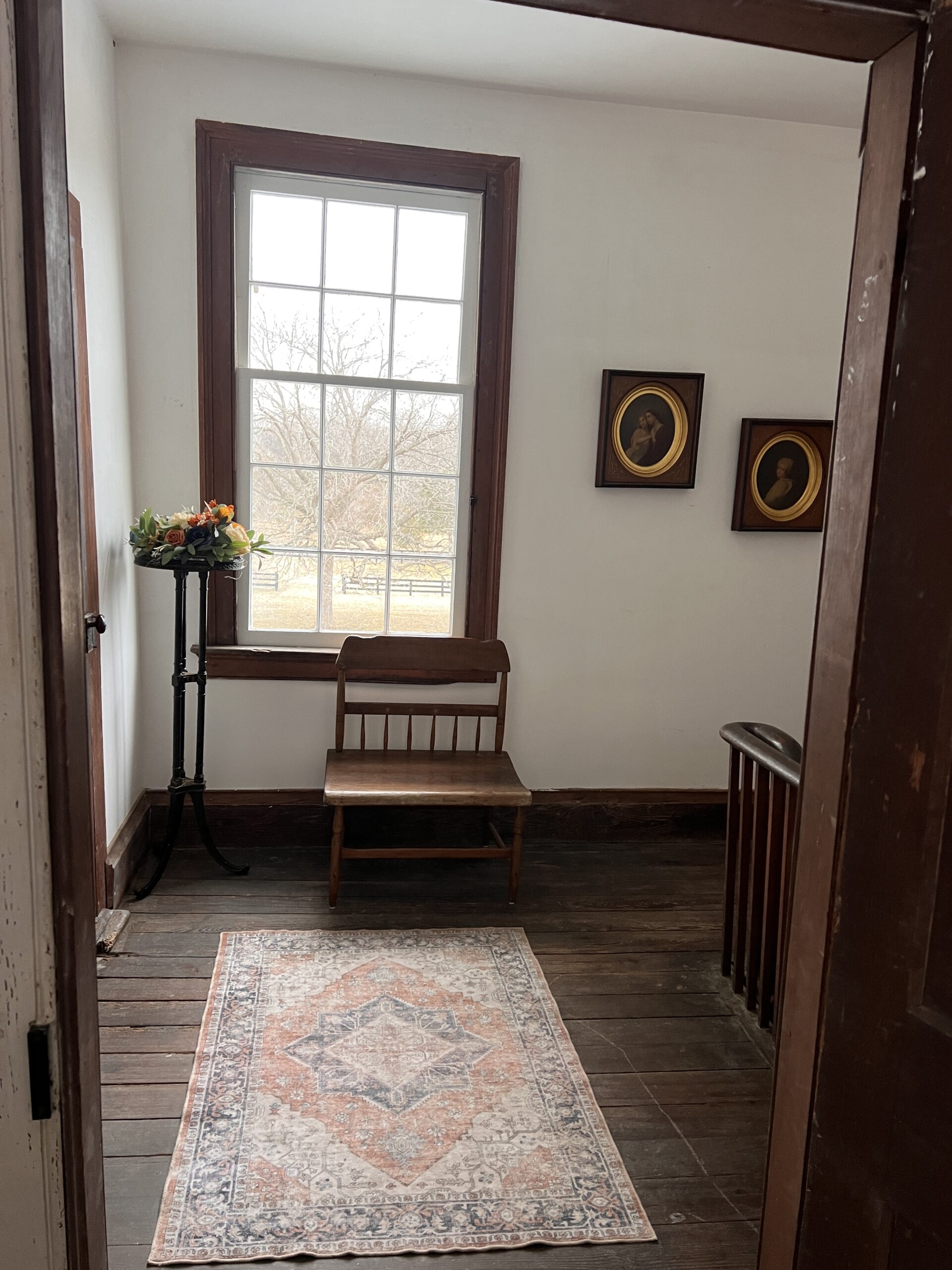
Upstairs, our dedicated volunteer painter, Keith Belvin, has completed the interior painting of one bedroom and is steadily working through another. The colors are not chosen at random. They are based on historical paint analysis conducted by Dr. Susan Buck, ensuring that what you see reflects Timberneck’s documented past rather than a modern approximation. Each brushstroke is part research, part craftsmanship, part devotion.
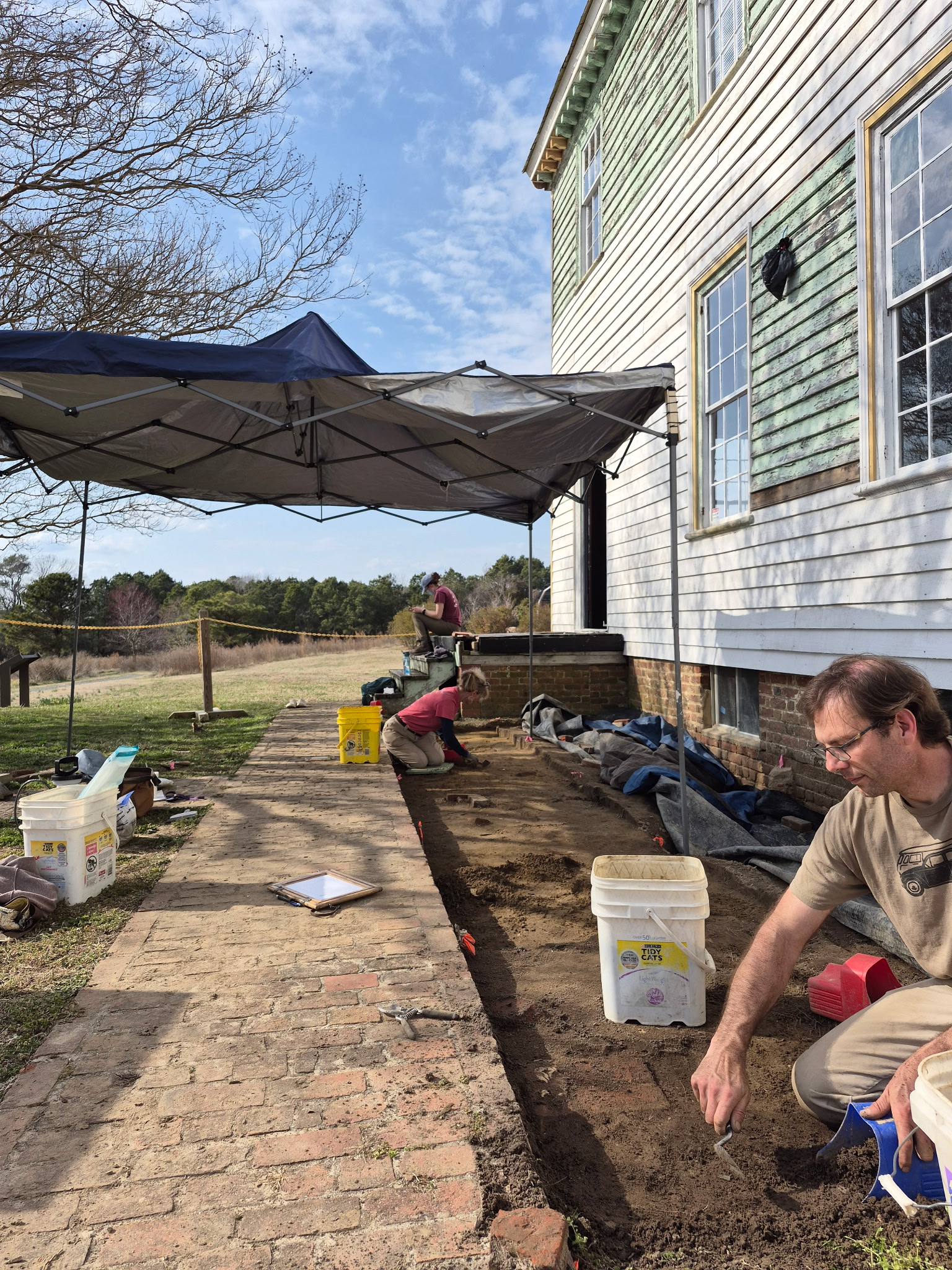
Meanwhile, Fairfield’s archaeology team is on site, excavating the footprint of the new front porch. Even something as seemingly straightforward as a porch requires archaeological investigation. Before we build forward, we must understand what came before. That careful sequencing, research first, construction second, is what defines responsible preservation.
Slow, Methodical, and Worth It
There is still a long road ahead.
Restoration is never fast work, nor should it be. Timberneck has stood for generations. It deserves patience. It deserves thoughtfulness. It deserves a team willing to move slowly, to verify details, to question assumptions, and to get it right.
But standing in the house after dark this weekend, watching light spill across freshly painted walls, hearing the quiet hum of systems finally functioning as they should, I felt something unmistakable:
Progress.
Timberneck is not just being repaired. It is being revived.
And sometimes, revival begins with something as simple and as powerful as turning on the lights.

Awesome Lori…couldn’t have written it better myself. You are an inspiration. Tom Karow
Amazing and congratulations to all who hjjave worked so hard
Lori,
What a great article. You said it well about preservation and how important lights are. That great house is getting a new life. Thanks for all you do.
Brenda Roth
Nice! Congratulations on the substantial progress that’s been made.
This is an amazing accomplishment, thank you so much for all your work.
The picture evoked a sense of a future Christmas tour, with the house decorated in period furnishings. To see the progress is inspiring. To learn about the meticulous restoration process is equally inspiring. Thanks to all volunteers, professionals, and paid staff who work with skills and heart to bring the house back to its former vibrancy.